The Philosophy of Slow Dining along the Aegean
Beyond the tourist rush of Mykonos and Santorini lies a quieter archipelago where lunch begins at three in the afternoon and dissolves seamlessly into the evening breeze.
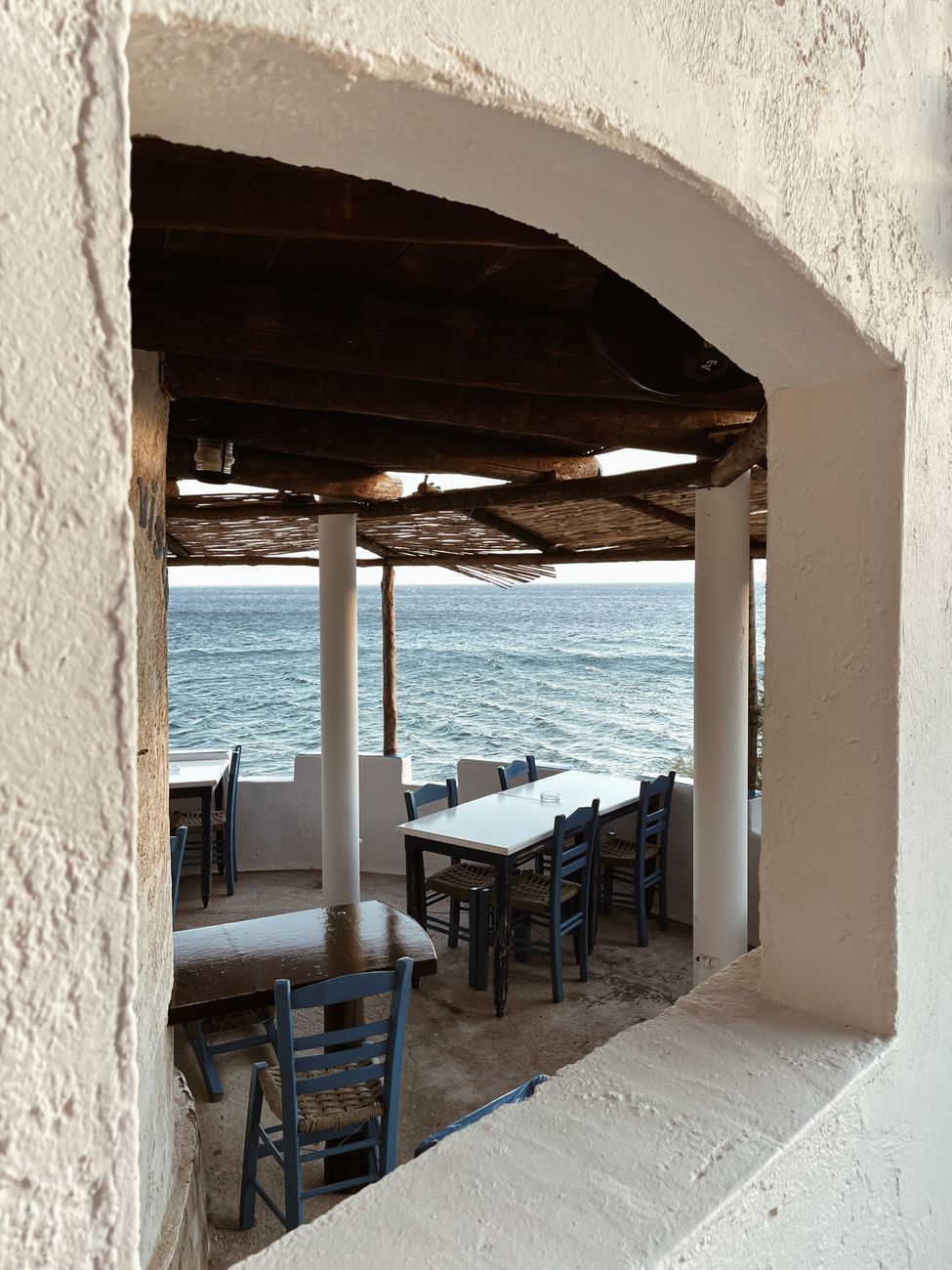
In the small fishing cove of Faros on the island of Sifnos, dining is not treated as fuel between sightseeing appointments. It is the central ceremony of daily existence. Fishermen tie up painted wooden kaikia to weather-beaten bollards, delivering small red mullet and squid directly into the kitchen of family tavernas.
1. The Sacred Rhythm of the Meze Table
Unlike Western fine dining with its rigid progression of individual plates, the Aegean table belongs to the collective. Dishes arrive when they are ready: warm fava puree dressed with raw spring onions and capers, revithada (chickpea stew slow-baked overnight in clay pots over wood embers), and sea fennel pickled in brine.
“To rush an Aegean meal is to insult the gardener, the fisherman, and the sea itself. Time spent over bread and olive oil is time added to life.”
2. Foraging the Dry Hills
What gives Aegean food its indelible soul is not imported luxury, but hyper-local forage. Following the winter rains, the rocky hillsides of the Cyclades erupt with wild chicory, dandelions, and spiny chicory known collectively as horta. Boiled within hours of picking and dressed with cold-pressed olive oil and lemon juice, these bitter greens provide the foundational counterpoint to grilled fish.
3. Five Principles for Meaningful Gastronomic Travel
- Avoid multi-language picture menus: Seek tavernas where the day's offerings are handwritten in Greek or described verbally at the kitchen showcase.
- Embrace the afternoon pause: Never expect dinner before 9:00 PM; adjust your day to embrace the afternoon swim and restorative siesta.
- Drink local barrel wines: The modest carafes of island whites often showcase ancient un-grafted varieties suited perfectly to marine salinity.
- Ask for regional cheeses: Try Mizithra, Manoura aged in wine lees, or aged Graviera rather than standard feta.
Curating Your Personal Journey
Our editorial team regularly assists readers in designing unhurried routes through the Iberian north.
Inquire for Curations