Rammed Earth Architecture of the High Sonoran
In the arid expanse between Tucson and the Santa Catalina foothills, a new generation of architects is discarding glass towers in favor of massive earthen walls built from the soil beneath their boots.
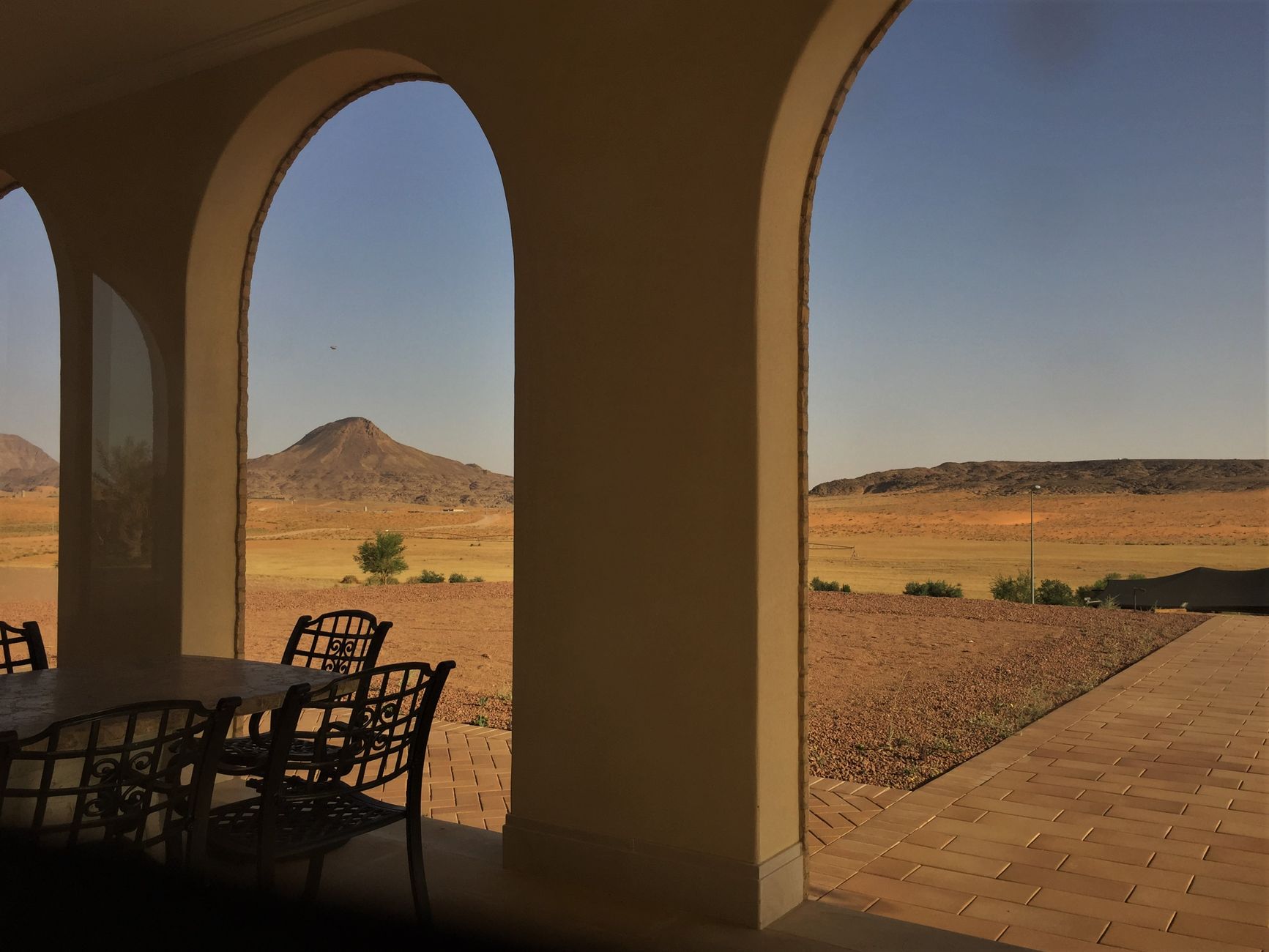
The Sonoran Desert is an unforgiving landscape of extremes. In summer months, solar radiation can push ambient air past 110 degrees Fahrenheit, while crisp winter nights dip near freezing. To build here with thin steel and sheet-glass is an exercise in ecological hubris requiring colossal mechanical air conditioning.
1. The Thermal Flywheel
Rammed earth functions on a principle ancient civilizations understood instinctively: thermal mass. Walls constructed twenty-four inches thick absorb intense midday heat slowly throughout the day. By the time that warmth reaches the interior living quarters, twelve hours have elapsed — releasing gentle comfort just as nocturnal desert temperatures drop sharply.
“When you stand within a rammed earth pavilion, the acoustic stillness is visceral. You feel shielded not merely from temperature, but from modernity itself.”
2. Strata as Aesthetic Signature
Visually, rammed earth mimics sedimentary rock faces exposed by millions of years of erosion. By compacting damp mixtures of decomposed granite, local clay, sand, and stabilizing agents in wooden formwork layer by layer, builders create horizontal striations of burnt sienna, dusty ochre, and warm slate.
3. Visiting Earthen Sanctuaries
For architectural enthusiasts seeking firsthand immersion in these desert structures, we recommend spending several nights at small-scale boutique desert residences around Tucson and Marfa. Experiencing the acoustic isolation, the cool tactile touch of compressed clay, and the framing of saguaro cacti through deeply recessed apertures is transformative.
Curating Your Personal Journey
Our editorial team regularly assists readers in designing unhurried routes through the Iberian north.
Inquire for Curations